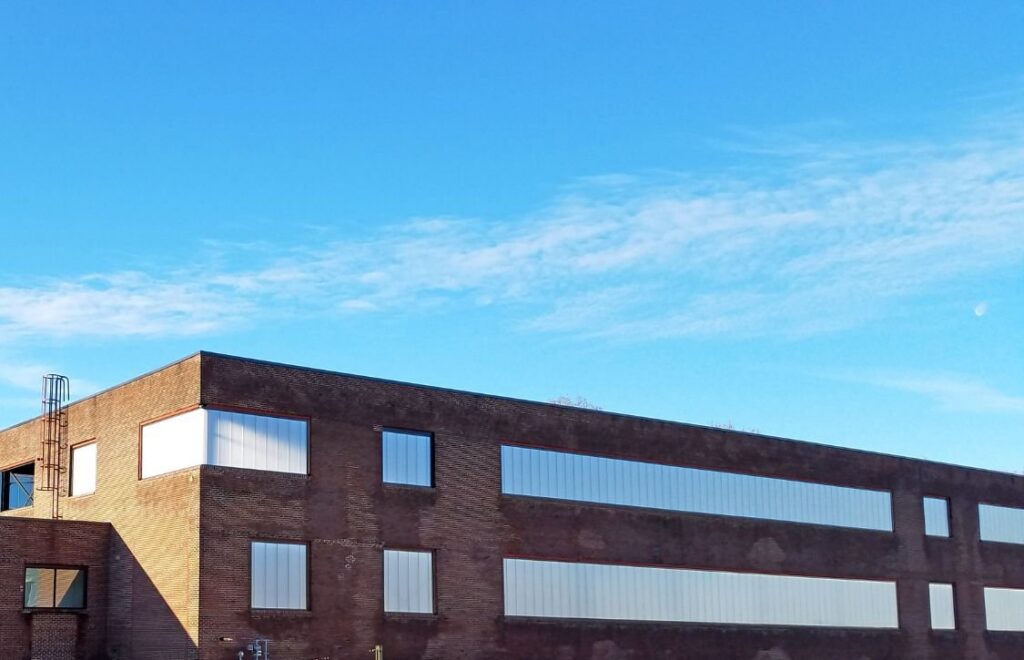
Coastal buildings gain a durable envelope from polycarbonate cladding, which will not rust, pit, or corrode in salt air. Metal panels near the shoreline often show staining, pitting, and coating failure long before owners expect. Architects and owners now look for envelope materials that hold their appearance and performance in harsh marine climates.
Coastal projects also face high winds, intense sunlight, and blowing sand that wear down exterior finishes. Your material choice affects maintenance budgets, warranty claims, and how the building looks for decades. You will learn why polycarbonate performs well near the ocean and how to detail it for lasting results.
Why Does Polycarbonate Cladding Outperform Metal in Coastal Builds?
Polycarbonate cladding outperforms metal in coastal builds because the material itself does not corrode when salt deposits accumulate. Chloride-laden moisture attacks steel and aluminum coatings, yet polycarbonate sheets will not rust or pit from that exposure. Lightweight panels with ultraviolet (UV) protective layers also handle intense coastal sun and wind with minimal maintenance.
How Salt Air Damages Traditional Metal Cladding
Salt particles settle on building surfaces, absorb moisture from humid air, and form a corrosive chloride solution. According to the International Molybdenum Association, coastal corrosion rates typically peak within 1,300 to 2,000 feet of the shoreline. Buildings in that zone face constant attack on fasteners, panel edges, and any scratched protective coatings.
Steel panels rust once coatings chip, and rust stains can streak across adjacent finishes and glazing. Aluminum performs better; however, salt can still cause pitting and filiform corrosion beneath painted finishes. As a result, owners face repainting, panel replacement, and fastener repairs far sooner than planned.
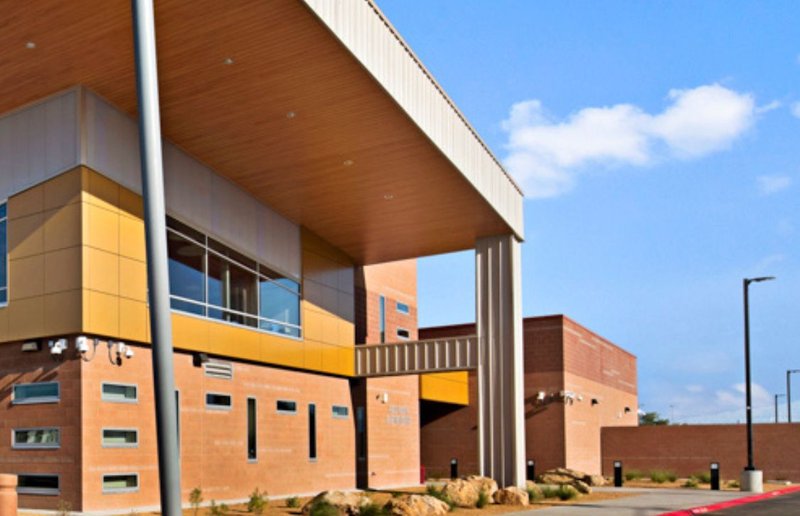
Polycarbonate cladding sidesteps that cycle because the panel material contains no metal that can corrode. Your maintenance team can rinse panels with fresh water instead of treating rust and recoating surfaces.
Framing and fasteners still need attention, since aluminum extrusions and anchors hold the panels in place. For that reason, specify anodized or high-performance coated framing and stainless steel fasteners for marine exposure. Durable framing lets polycarbonate cladding protect your building envelope from salt spray, harsh weather, and daily wear.
Polycarbonate Cladding Performance in Marine Climates
Coastal sites combine several stresses at once, and polycarbonate cladding handles each one in a different way. Understanding those strengths helps you explain the material choice to owners and design review boards. Key performance advantages near the ocean include the following benefits for your envelope design.
- Corrosion immunity means salt deposits never trigger rust, pitting, or coating breakdown on the panel surface.
- Coextruded UV protection shields panels from intense coastal sunlight that yellows or weakens unprotected plastics.
- High impact resistance helps panels survive wind-borne debris, blowing sand, and hail during coastal storms.
- Light weight reduces structural loads, which simplifies framing and speeds installation on exposed coastal sites.
Additionally, multiwall panels add insulating air chambers that improve thermal performance in humid, warm climates. Translucent options also bring diffused daylight inside, which reduces electric lighting during long coastal summers.
UV stability deserves careful review, because water and sand reflect extra sunlight onto coastal facades. Ask manufacturers for weathering data and warranty terms that cover light transmission and yellowing resistance. Strong UV stability supports polycarbonate longevity, so your panels hold their clarity through years of coastal sun exposure.
Detailing Polycarbonate Cladding for Lasting Coastal Results
Good detailing protects your investment as much as material choice does on any coastal envelope project. Panel joints, flashing, and drainage paths need to shed wind-driven rain without trapping salty moisture. Your polycarbonate cladding system should also allow thermal movement, since coastal temperature swings expand and contract panels.
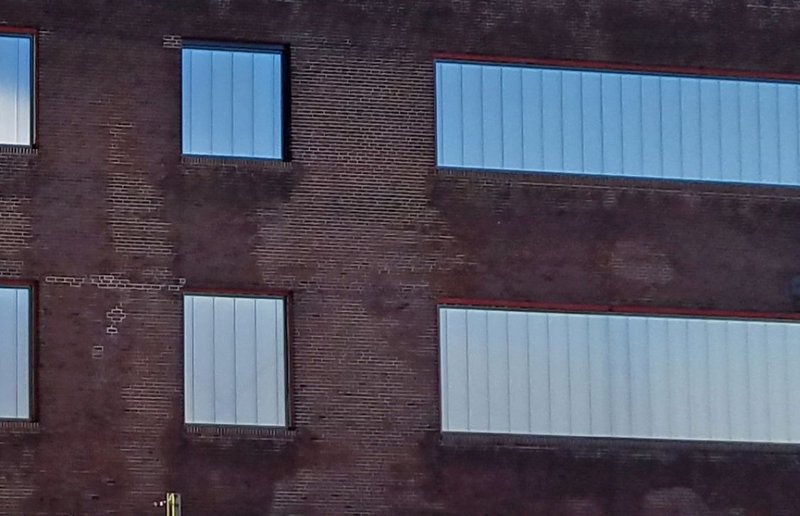
Prefabricated systems help here, because factory assembly controls tolerances better than field cutting and fitting. Consequently, joints seal more reliably, and crews spend less time working in exposed coastal wind conditions.
Wind load design matters too, since coastal zones often carry higher design wind speeds than inland areas. For example, impact-resistant polycarbonate panels can meet demanding requirements without the weight of laminated glass. Rigorous durability testing for polycarbonate wall facades confirms your panels can handle storm pressure and flying debris over time.
Finally, plan simple maintenance, such as periodic freshwater rinsing to remove salt and sand buildup. Inspect sealants and fasteners on a set schedule, especially after major storms or hurricane seasons. Ultimately, thoughtful detailing lets your cladding look and perform its best for decades near the water.
Protect Your Coastal Building With a Smarter Envelope
Polycarbonate cladding gives coastal projects a corrosion-free alternative to metal panels that struggle in salt air. You reduce repainting, replacement, and repair costs while keeping a clean, modern appearance for years. Pairing the right panels with marine-grade framing and smart detailing delivers an envelope built for the shoreline.
EXTECH designs and prefabricates polycarbonate wall and cladding systems for demanding climates and exposed sites. Our engineers can help your team select panels, framing finishes, and details suited to marine conditions. Reach out to our experts to explore corrosion-resistant envelope options for your coastal project.