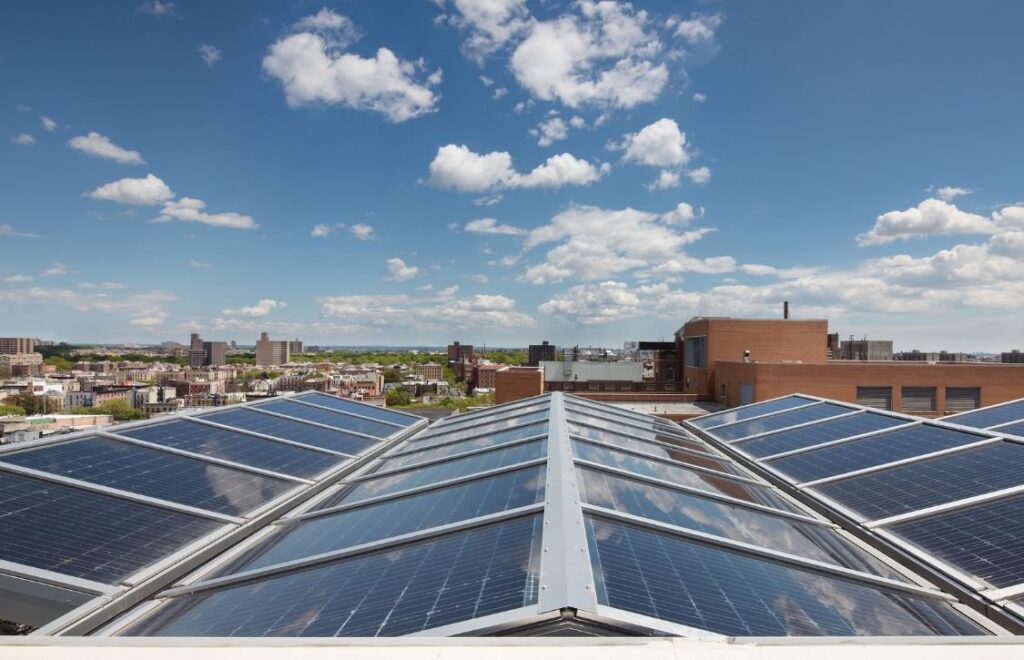
Your choice among skylight options plays a major role in whether a building reaches net-zero energy targets or falls short. Daylight can replace electric lighting for much of the day, yet poor glazing choices raise heating and cooling loads. Sustainability consultants need clear comparisons to recommend the right system for each project and climate.
Every skylight trades off light transmission, thermal performance, glare control, and cost in different ways. Your choice also affects photovoltaic sizing, since lower energy demand means fewer panels on the roof. You will find a side-by-side look at common systems and the metrics that matter most.
Key Metrics for Comparing Skylight Options
Three performance metrics guide most skylight decisions on high-performance and net-zero building projects today. U-factor measures heat flow, Solar Heat Gain Coefficient (SHGC) measures solar heat, and Visible Transmittance (VT) measures light. Comparing skylight options on all three numbers prevents you from choosing light at the expense of thermal performance.
Lighting matters because it remains a significant electric load in most commercial buildings across the country. According to the U.S. Energy Information Administration, lighting accounted for about 10% of commercial building energy use in 2018. As a result, daylight that offsets lighting energy directly shrinks the renewable capacity your project needs.
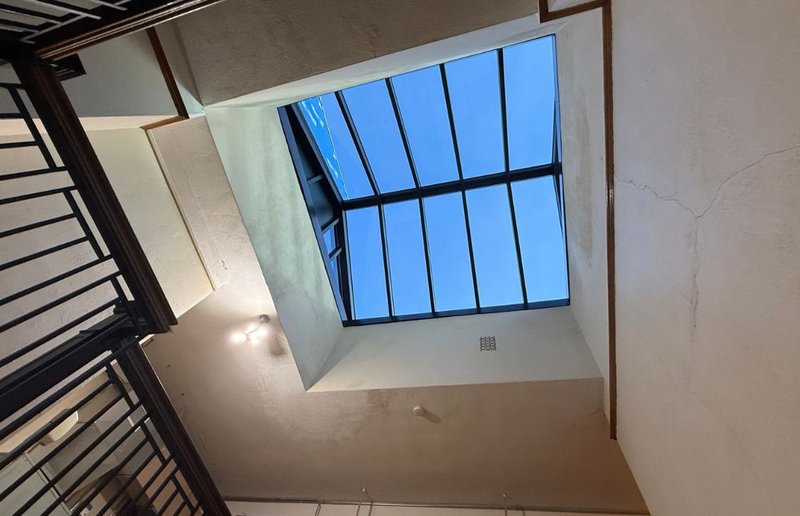
However, a high VT paired with a high SHGC can overheat spaces and erase lighting savings. Instead, look for products that deliver a low SHGC and U-factor. Light diffusion also deserves attention, since direct beam sunlight creates glare that pushes occupants to close blinds. Diffusing glazing spreads light evenly, so occupants leave daylight on and electric fixtures stay dimmed. Diffusion levels vary between polycarbonate and glass skylight options, so compare both before you finalize your glazing choice.
Side-by-Side Comparison of Common Skylight Systems
Each skylight category brings distinct strengths and limitations to a net-zero energy design strategy. Your project goals, climate zone, and maintenance budget will shape which skylight options earn a place on your shortlist. The table below compares four common systems on the factors that matter most for net-zero buildings.
| Skylight System | Light Quality | Thermal Performance | Best Fit | Key Limitation |
|---|---|---|---|---|
| Clear Glass Unit Skylights | High light levels with direct beam sunlight | Prone to solar heat gain | Lobbies and galleries that need sky views | Glare and uneven light distribution |
| Multiwall Polycarbonate Skylights | Diffused, even light | Lower U-factors than single glazing through insulating air chambers | Commercial and industrial roofs, hail-prone regions | Limited clear views to the sky |
| Tubular Daylighting Devices | Focused, diffused output | Small roof openings limit heat loss | Small rooms and deep interior spaces | Each unit lights a limited floor area |
| Translucent Insulated Panel Systems | Diffused, glare-free light | Strong thermal values | Large roofs and atriums | No clear views to the sky |
Polycarbonate systems also weigh far less than glass, which can reduce structural framing and embodied carbon. Furthermore, impact resistance lowers breakage risk from hail, debris, and maintenance traffic on the roof. Pair those advantages with the thermal performance of polycarbonate glazing systems, and your roof supports long-term energy savings too.
Glass still fits projects that require clear views to the sky, such as some lobbies and galleries. In those cases, pair glass with exterior shading or high-performance coatings to control solar heat gain.
Integrating Skylight Options Into Net-Zero Energy Models
Net-zero projects succeed when daylighting, lighting controls, and mechanical systems get designed as one package. According to the U.S. Department of Energy, a zero-energy building offsets annual delivered energy with on-site renewable exported energy. Your skylight options therefore, need to reduce demand without adding heating or cooling loads elsewhere.
Daylight-responsive controls dim electric lights automatically, so savings appear in the energy model and in practice. Without controls, even well-placed skylights deliver only a fraction of their potential lighting reduction.
Skylight-to-floor ratio also matters, because too much glazing raises heat loss while too little leaves dark zones. For example, energy modelers often test several ratios to find the point where total energy use bottoms out. Each ratio performs differently across skylight types used in commercial architecture, so test your shortlisted systems side by side.
Finally, consider long-term durability, since yellowed or leaking skylights lose performance over the building's life. Ultraviolet-protected polycarbonate and prefabricated framing help maintain light transmission and weather tightness for decades. Together, these choices keep your net-zero building performing as modeled long after occupancy begins.
Choose Skylight Options That Support Your Net-Zero Goals
Skylight options shape lighting energy, thermal loads, and occupant comfort on every net-zero building project. You get the best results when you compare U-factor, SHGC, VT, and diffusion side by side. Pairing the right system with daylight controls helps your project reach its energy targets with less renewable capacity.
EXTECH designs polycarbonate skylight and translucent panel systems that balance diffused daylight with strong thermal performance. Our team can provide performance data and help your consultants compare options inside the energy model. Contact us today to compare skylight systems that fit the net-zero targets on your next building.