Aging industrial windows leak air, admit water, and drive up energy costs across your entire facility. Many executives delay replacement because they fear a full production shutdown during construction. Fortunately, a phased retrofit lets you upgrade the envelope while your lines keep running on schedule.
Legacy steel sash and cracked glazing often pose safety risks for workers on the plant floor below. Deferred replacement also raises maintenance spending as crews patch leaks and broken panes year after year. See how planning, prefabrication, and sequencing protect uptime throughout a window replacement program.
Can You Replace Industrial Windows Without Shutting Down Production
Yes, you can replace industrial windows without a shutdown when crews work in planned zones or bays. Each phase isolates a small section of opening while operations continue behind temporary enclosures and barriers. Prefabricated window units then install quickly, so each zone returns to normal service within days.
Planning a Phased Industrial Windows Retrofit
A phased retrofit begins with a detailed survey of every opening, frame condition, and adjacent process. Your project team should map which areas run continuously and which areas allow brief access periods. Next, group openings into zones that match production schedules, maintenance shutdowns, and seasonal weather patterns.
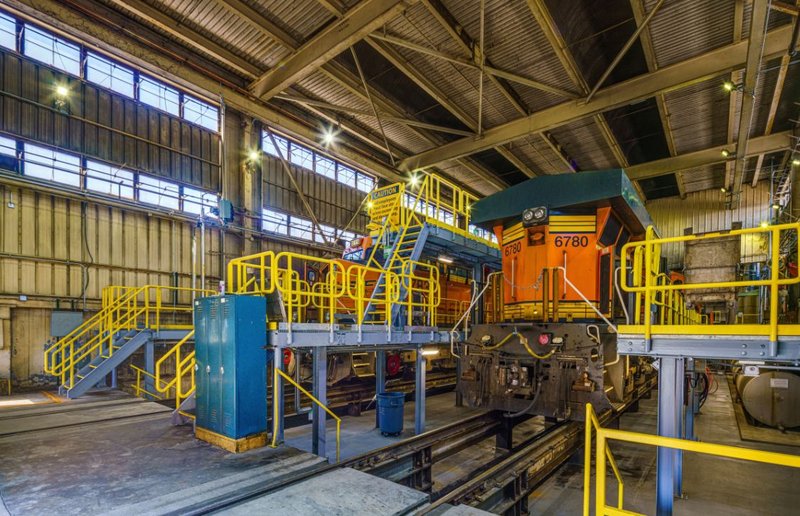
Heat-sensitive processes, clean areas, and food lines usually need tighter dust and temperature control during work. Meanwhile, storage bays and loading docks often tolerate longer exposure while crews remove old industrial windows. You reduce risk when the retrofit sequence starts in low-impact zones and builds toward critical spaces.
Clear communication keeps supervisors, safety teams, and contractors aligned on each phase before any removal begins. Weekly coordination meetings also give production managers a voice when schedules or order volumes suddenly shift.
Additionally, document existing conditions carefully, since legacy openings rarely match original drawings after decades of changes. Accurate field measurements allow the manufacturer to build replacement units that fit on the first attempt. Our article on replacing failing industrial windows explains common warning signs that justify a full upgrade.
Protecting Production During Window Replacement
Production continuity depends on how well crews separate construction activity from the manufacturing floor. Temporary enclosures, negative air zones, and scheduled work hours all limit disruption to your employees. Your safety team should confirm Occupational Safety and Health Administration (OSHA) fall protection measures before removal starts.
Many facilities also schedule noisy demolition during shift changes or planned maintenance periods. Therefore, crews can complete the loudest tasks when fewer workers occupy the adjacent production areas. Consider these protective measures when you plan each retrofit zone for industrial windows:
- Interior dust barriers with zipper doors that keep debris away from equipment, products, and personnel.
- Weather protection panels that seal each opening overnight until the new window unit installs.
- Overhead protection and exclusion zones that keep workers clear of lifts, rigging, and removal activity.
- Temperature monitoring near sensitive processes so you catch drafts or heat gain before quality suffers.
In addition, daily cleanup routines keep aisles clear and prevent construction dust from reaching finished goods. Our guide to cost-effective retrofitting with polycarbonate systems shows how lighter materials simplify each phase.
Choosing Replacement Systems That Speed Installation
Replacement system selection affects installation speed as much as any schedule or staffing decision. Prefabricated units arrive ready to set, which shortens the time each opening stays exposed to weather. Stick-built systems, in contrast, require more field assembly and extend disruption in every production zone.
Aluminum framing paired with polycarbonate glazing reduces weight, so crews handle panels with smaller lifting equipment. Lighter units also place less load on aging structural steel that supported heavier legacy sash for decades.
Furthermore, polycarbonate glazing resists impact from forklifts, flying debris, and accidental strikes on the plant floor. Operable vents can integrate into new industrial windows, improving natural ventilation in hot manufacturing areas. Explore value engineering for industrial aluminum windows to balance performance goals against your capital budget.
Finally, choose a partner with retrofit experience in occupied facilities rather than new construction alone.
Start Your Phased Industrial Windows Upgrade
Legacy industrial windows can come out even when your production schedule cannot stop for construction. A phased approach lets you upgrade safety, comfort, and energy performance one manageable zone at a time. EXTECH prefabricated window systems install quickly, which keeps each phase short and each opening protected.
Our team helps facility leaders sequence retrofits around production schedules, budgets, and seasonal constraints. You gain a clear roadmap before crews remove a single legacy frame from your building. Reach out to our team to plan a retrofit that keeps your production lines moving.