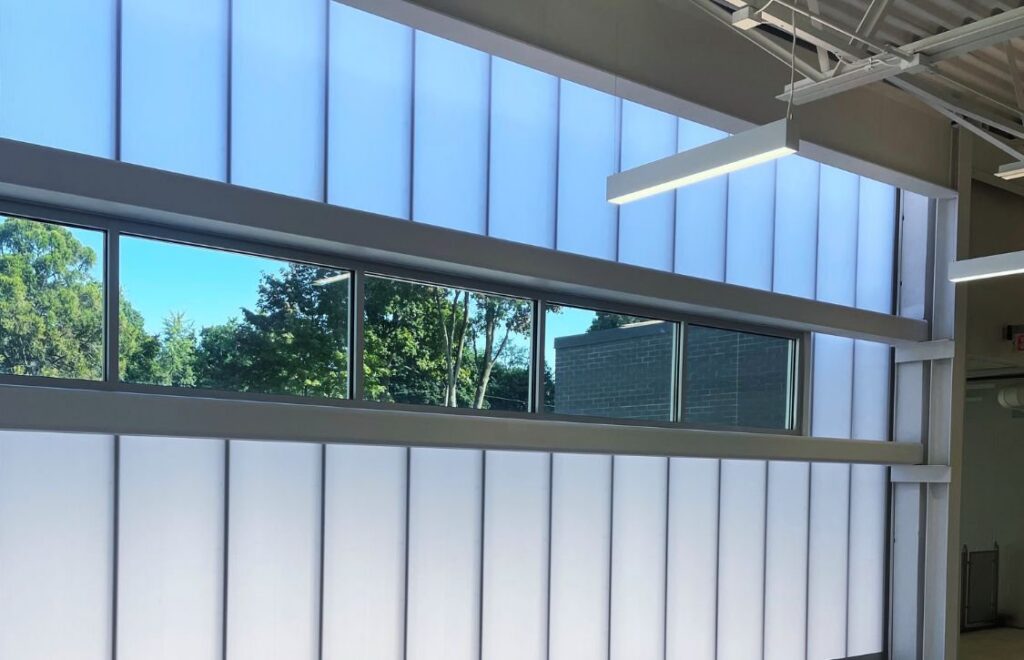
Impact-resistant polycarbonate windows give buildings strong protection against the elements. You need glazing that stays intact through different environmental conditions.
Local codes may require tested impact protection for openings across hurricane-prone regions of the country. You will learn how polycarbonate glazing can meet impact standards.
Impact Testing
Impact testing simulates the flying debris that hurricanes drive into building openings during peak winds. Under ASTM E1996, labs fire large or small missiles at glazing based on the building's wind zone. Large missile tests typically launch a lumber stud, while small missile tests use steel balls against the glazing.
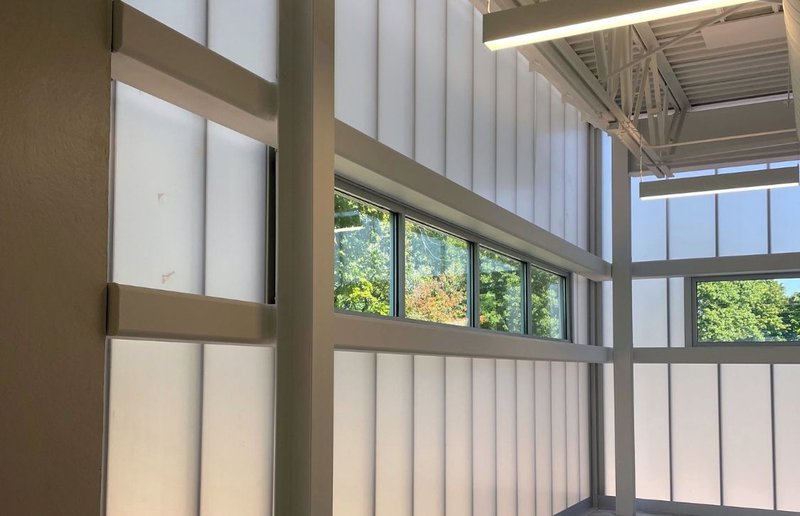
After impact, ASTM E1886 subjects the damaged window to thousands of positive and negative pressure cycles. The assembly passes only when it resists penetration and holds together through the entire pressure sequence. Therefore, the frame, anchors, and glazing retention matter just as much as the glazing material itself.
Wind zone and opening height determine which missile level applies to each window on your elevations. Openings within 30 feet of grade usually face large missile requirements in the highest wind zones.
Additionally, EXTECH has decades of hurricane experience, including its first hurricane-resistant window system approval in 1994. Documented approvals give building officials confidence when they review product submittals for coastal projects.
Why Choose Polycarbonate
Polycarbonate offers impact strength that far exceeds annealed or tempered glass of similar thickness. The material flexes under impact, absorbing energy instead of shattering into sharp fragments across the interior. Laminated glass can also pass impact tests, although it adds significant weight to frames and anchors.
Lighter glazing reduces structural loads, which helps on retrofits where existing framing has limited capacity. Our architect's guide to polycarbonate windows explains additional design benefits for commercial and industrial projects. Consider these advantages when you compare polycarbonate windows with impact glass for construction:
- Lower weight that simplifies handling, reduces anchor loads, and speeds installation on multi-story facades.
- High impact resistance.
- Multi-wall options that add thermal insulation and diffuse daylight across large window openings.
Thermoplastics require protections to resist ultraviolet (UV) yellowing in intense coastal sunlight. Modern coextruded UV layers protect the surface and help windows keep their clarity for years.
Specifying Impact-Rated Systems
Specification begins with the design wind speed and exposure category for your specific project site. American Society of Civil Engineers (ASCE) 7 maps and local amendments define those wind pressures. Your supplier should confirm that tested design pressures meet or exceed the calculated values.
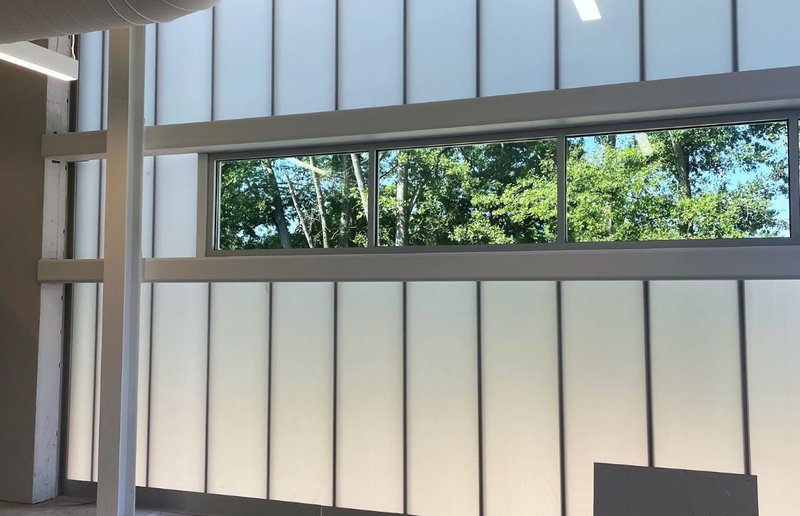
Anchorage details deserve close review, since many failures start at the connection rather than the glazing. Substrate type, embedment depth, and fastener spacing all need to match the tested assembly exactly. Furthermore, impact-rated polycarbonate windows suit schools, warehouses, and critical facilities that must stay operational after storms. Industrial buildings benefit from impact-resistant polycarbonate windows that survive both storms and daily operational abuse. Owners also avoid lost productivity, since crews skip shutter installation before every approaching storm.
Finally, coordinate early with your structural engineer and code consultant on the project. Early review catches pressure, anchorage, and approval gaps before they delay permits or construction. You protect both schedule and occupants when every opening carries documented, tested impact protection.
Protect Projects With Polycarbonate Windows
Polycarbonate windows give buildings impact protection without the weight of laminated glass. You meet codes when tested assemblies, proper anchorage, and approvals guide your specification. EXTECH brings decades of impact-rated glazing experience to coastal, industrial, and institutional building projects.
Our team helps architects select configurations, review design pressures, and assemble approval documentation for submittals. You gain a partner who understands both codes and daylighting performance goals for your building. Contact our glazing experts to specify impact-resistant windows for your next project.