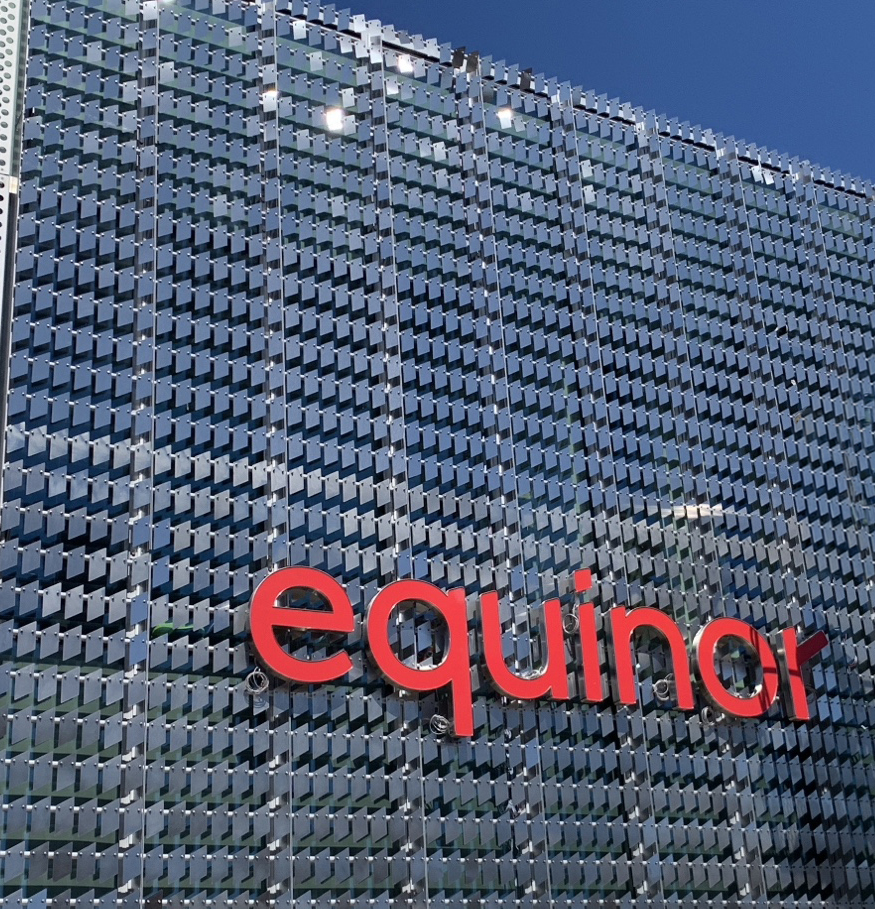
A wind-driven kinetic wall turns every breeze into a shimmering display across your building facade. Thousands of small hinged panels move independently, which creates motion that static cladding cannot match. You still need a clear maintenance plan to keep that motion smooth, quiet, and dependable.
Moving parts face wear that fixed panels may not experience, especially on exposed coastal or urban sites. Clips, pins, and fasteners handle countless small movements as wind conditions change throughout each year. You will learn the inspection intervals, hardware tasks, and access planning that extend system life.
Building an Inspection Schedule for a Kinetic Wall
An inspection schedule starts with the site conditions, wind exposure, and access equipment your facade requires. Sheltered urban sites often need only annual reviews, while exposed coastal sites demand more frequent attention. You should record baseline conditions right after installation so future inspections have a clear reference point.

Photographs, panel maps, and hardware notes make it easier to track changes from one inspection to the next. Our article on kinetic wall engineering for long-term performance explains the mechanics behind lasting durability. Meanwhile, facility teams should schedule extra inspections after storms, hail events, or unusual gust activity. Wind speeds beyond the American Society of Civil Engineers (ASCE) 7 design basis can bend hinges and dislodge panels. Post-storm checks help you catch damage early, before a single loose panel damages its neighbors.
Additionally, inspection frequency should increase as the system ages and wear components approach their service limits. Older installations benefit from semiannual reviews that track hinge play, fastener tightness, and finish condition. Documented trends then guide replacement budgets instead of forcing emergency repairs during peak seasons.
Hardware Maintenance Tasks That Extend System Life
Hardware care focuses on the clips, fasteners, and connections that let each panel move freely in wind. Connections designed to resist vibration still need periodic checks.
Clean components move more freely, which reduces noise and lowers stress on hinges during gusty conditions. Our guide on how to implement kinetic facade systems outlines planning steps that simplify future maintenance. Include these hardware tasks in every kinetic wall maintenance visit to protect long-term performance:
- Check hinge pins and clips for play, wear, or corrosion that restricts free panel movement.
- Clear leaves, nests, and windblown debris that jam panels or trap moisture against metal parts.
- Inspect panel finishes for abrasion or damage that could accelerate corrosion over time.
Uniform movement preserves the rippling visual effect that owners expect when wind sweeps across the wall.
Planning Access and Long-Term Care
Maintenance begins with access, so designers should plan safe routes to pivots, panels, and support framing. Lifts, swing stages, or catwalks each carry different costs, and your plan should match the building height. Every access method must follow Occupational Safety and Health Administration (OSHA) fall protection rules for crews working at height.
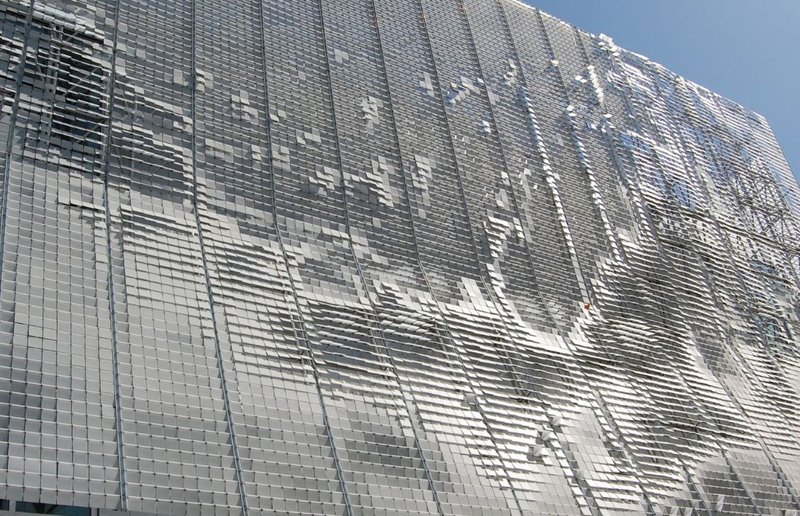
Fewer unique parts also simplify maintenance, since crews can stock common replacement components on site. Standardized hardware reduces downtime when a panel needs service after storms or accidental impacts.
Furthermore, owners should keep a spare parts inventory that includes kinetic elements, clips, and matching fasteners, in the event that replacement is required. Replacement elements from the original production run help preserve color and finish across the facade. Working with the manufacturer ensures new parts match the engineering of the original kinetic wall installation.
Finally, assign clear responsibility for each task within your facilities team or a qualified service contractor. Written procedures keep knowledge in place when staff change over the long lifecycle of the facade. Learn more about the performance benefits of kinetic facade design that thoughtful maintenance helps protect.
Keep Your Kinetic Wall Moving for Years to Come
A kinetic wall rewards owners with living motion, but that motion depends on steady hardware care. You protect performance when inspection schedules, hardware tasks, and access planning work together from day one. EXTECH KINETICWALL systems use engineered components designed for durability, serviceability, and long-term visual impact.
Our team supports owners with maintenance guidance, replacement parts, and technical answers throughout the system lifecycle. You gain a partner who understands every clip, fastener, and panel on your facade. Contact our KINETICWALL team to discuss a plan that keeps your facade in motion.