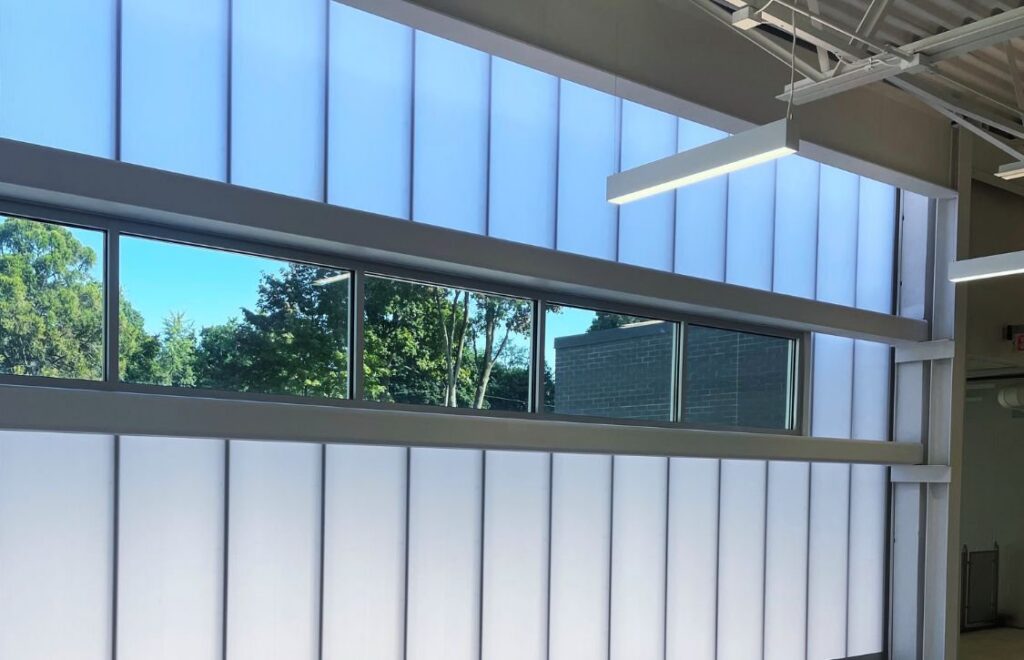
Multi-layer translucent wall panels let museums welcome daylight without exposing collections to harsh, damaging rays. Curators need galleries that feel bright and open while artifacts stay protected from fading and deterioration. You can balance both goals when panel layers diffuse, filter, and control light before it reaches exhibits.
Direct sunlight creates hot spots, glare, and ultraviolet (UV) exposure that shorten the life of sensitive objects. Many museums respond by sealing galleries entirely, which leaves visitors in spaces that feel closed and artificial. Learn how layered translucent systems deliver controlled diffusion for UV-sensitive museum interiors.
Why Museums Need Controlled Daylight
Light damage accumulates over time, so even modest exposure can fade pigments, textiles, and paper artifacts. Visible light fades colors, while UV radiation causes yellowing, chalking, and weakening, according to the Canadian Conservation Institute. Conservators therefore set strict limits on light levels and UV content inside galleries holding sensitive works.
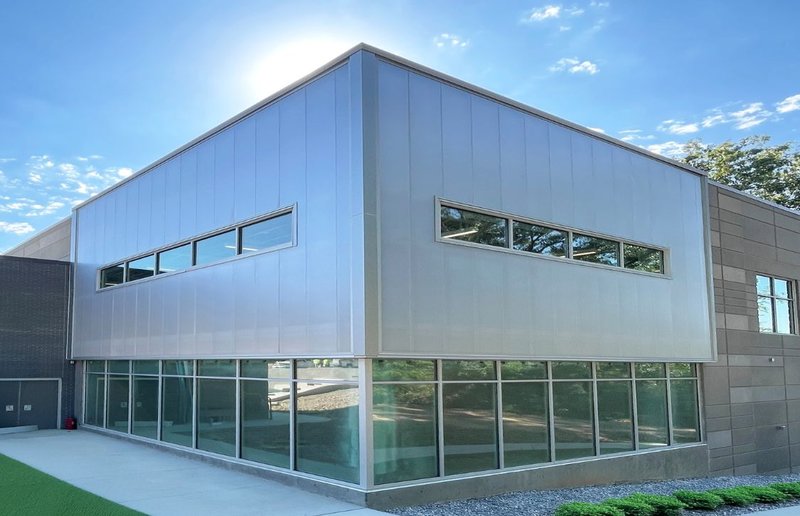
Traditional windows and skylights make those limits hard to meet without heavy shades or constant adjustment. Meanwhile, fully enclosed galleries rely on artificial lighting, which raises energy costs and flattens the visitor experience. Controlled daylight offers a middle path that supports both preservation goals and architectural ambition.
Diffused light also reveals texture and color more naturally than point sources aimed at individual objects. Soft, changing daylight also connects visitors to the outdoors without pulling attention away from exhibits.
Additionally, translucent wall panels eliminate the direct glare that often reflects off glass display cases. Designers can place panels on walls or clerestories to wash galleries with even, shadow-free illumination. Our article on translucent panels and light diffusion in daylighting design explores the science behind that effect.
How Multi-Layer Translucent Wall Panels Diffuse Light
Multi-layer panels use cellular polycarbonate with several walls separated by insulating air chambers inside. Light scatters at each surface it passes through, which spreads illumination evenly across the interior. Additional layers increase diffusion, so designers can tune light quality by selecting panel thickness and cell structure.
Double-panel systems add a cavity that boosts diffusion while also improving thermal and acoustic performance. Color and tint options further adjust light transmission to match curatorial targets for each gallery. Evaluate these properties when you specify translucent wall panels for a museum project:
- Light transmission percentage, which determines how much daylight reaches galleries through the complete assembly.
- UV-blocking coatings that filter damaging wavelengths before light enters exhibit and storage spaces.
- Cell geometry and panel thickness, since deeper cells create softer, more uniform light across walls.
- Solar heat gain values that help mechanical engineers protect stable temperature and humidity conditions.
Our guide to UV stability and polycarbonate longevity explains how protective coatings hold up over long service periods. Long-lasting coatings keep diffusion and UV filtering stable, which protects collections throughout the building's life.
Designing Gallery Envelopes for Collection Care
Gallery envelope design starts with collaboration between architects, conservators, lighting designers, and mechanical engineers. Each discipline brings targets for light, heat, and humidity that the translucent system must support together. The National Park Service (NPS) Museum Handbook offers useful guidance when you set those collection care targets.
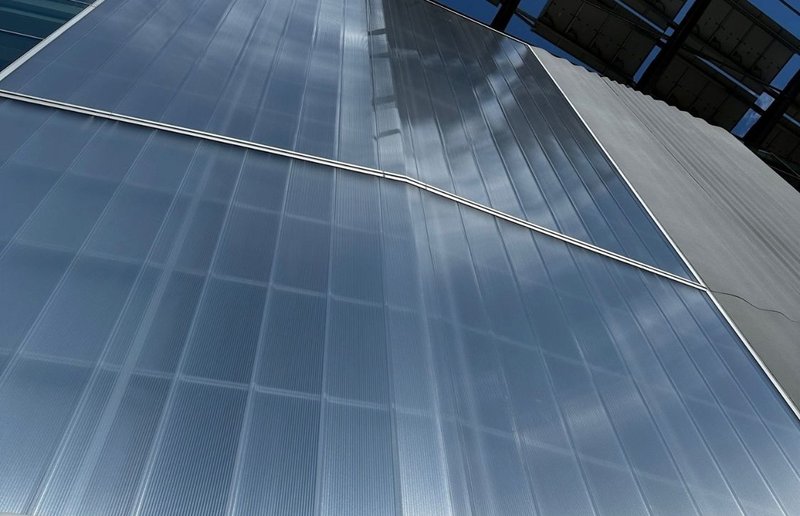
Daylight modeling helps you predict gallery light levels across seasons, times of day, and sky conditions. Models also reveal where supplemental shading or electric lighting may still be necessary for sensitive objects.
Furthermore, customization lets you match panel color, layout, and framing to the museum's architectural vision. Our article on customizing the building envelope with translucent wall systems highlights options for unique projects. Prefabricated systems then install quickly, which reduces disruption for institutions that stay open during renovation.
Finally, museums of every type benefit from controlled daylight, including art museums, history centers, and science centers. Renovation projects can also add translucent wall panels to existing galleries without major structural changes. Such projects show that preservation and natural light can coexist within one thoughtfully designed envelope.
Bring Controlled Daylight to Your Museum With Translucent Wall Panels
Multi-layer translucent wall panels let museums share daylight with visitors while shielding collections from damaging exposure. You gain diffused, glare-free galleries when panel layers, UV coatings, and daylight modeling guide your design. EXTECH systems combine engineered diffusion, color customization, and prefabricated installation for demanding cultural and institutional projects.
Our team works with architects and conservators to match panel configurations with specific curatorial lighting targets. You receive performance data, samples, and detailing support that simplify approvals from every project stakeholder. Contact us to explore daylighting solutions that protect your collections and delight every visitor.