Why Polycarbonate Glazing is the Best Choice for High-Impact Zones

Polycarbonate glazing offers 250 times the impact resistance of glass> it also holds a Class A fire rating and has forced-entry resistant variants applicable for aviation and military facilities.
Enhancing Campus Safety With Durable Walkway Canopy Systems

Covered campus walkways reduce slip-and-fall risk and keep circulation moving through winter conditions. Here’s what durable walkway canopy systems deliver.
CLEANWALL, Designed For High Traffic Transit Spaces, Now Available With Integrated Graphics
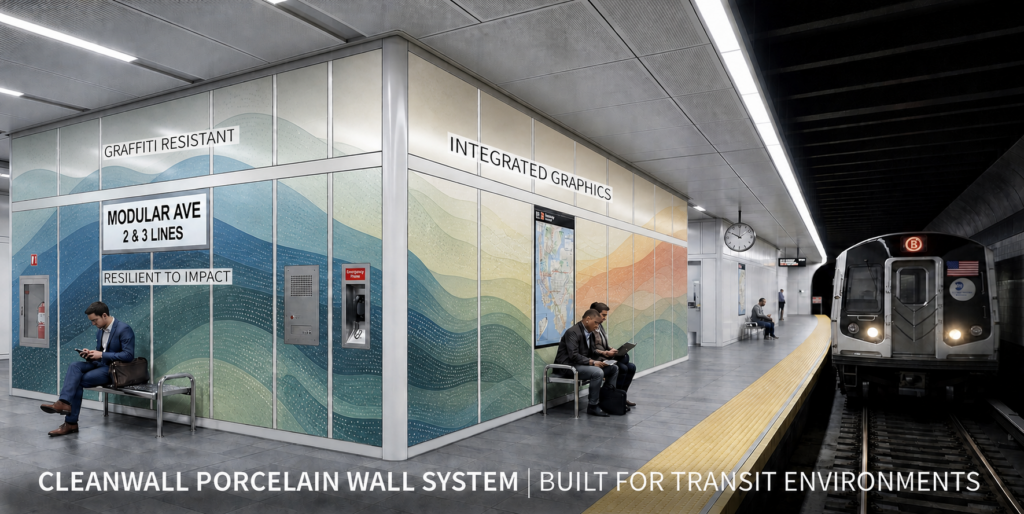
The CLEANWALL system is designed for high-traffic transit environments, featuring a ceramic-steel surface, laminated over a backing panel. New technology now allows graphics to be directly integrated onto the ceramic surface for a wide range of design options, expanding art and wayfinding capabilities. Key Benefits Extreme durability Easy Maintenance Smart Maintenance Design Built for Transit […]
Industrial Ventilation: Why Top Hinged Windows Beat Standard Glazing

Top-hinged windows solve the ventilation challenges that standard glazing can’t. Find out how the TECHVENT 5300 meets industrial and code requirements.
Sleek and Strong: The Aesthetic Appeal of Polycarbonate Cladding
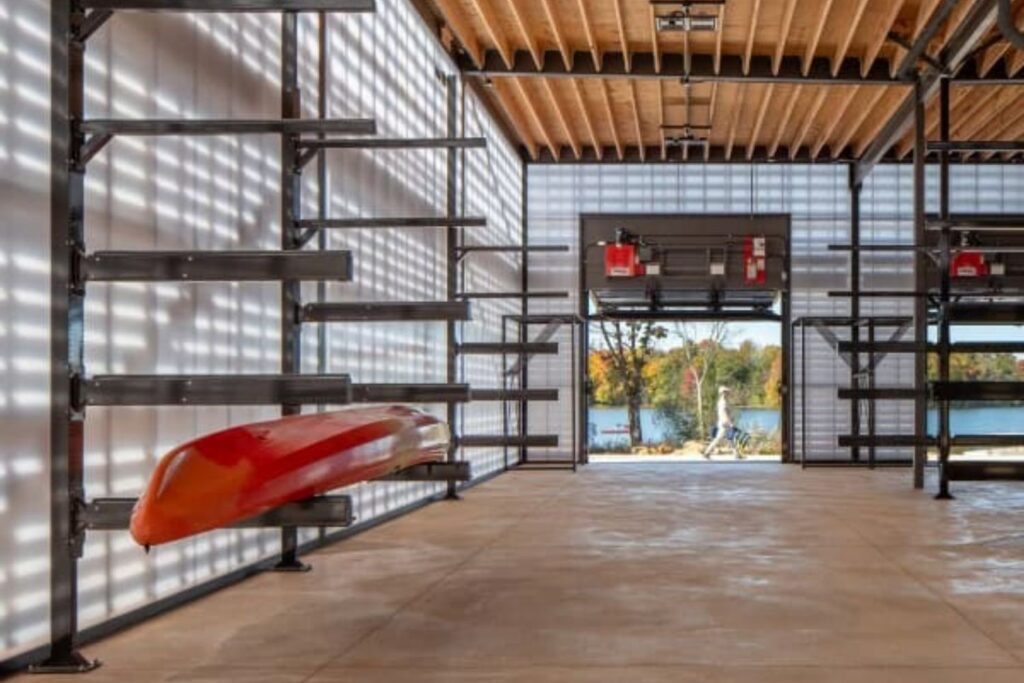
Polycarbonate cladding cold-forms to curves, resists UV degradation, and supports facades that move with the wind. Learn how architects apply this technology in practice.
Seamless Integration: Prefabricated Curtainwall Systems vs. Stick-Built

Stick-built curtainwall construction introduces field fabrication errors that prefabricated systems eliminate by design. Here’s what that difference means for performance and schedule.
Comparing Performance: Polycarbonate vs. Glass Skylight Options

Polycarbonate and glass skylight options diverge on impact resistance, thermal value, and cost. Know what each material means for commercial specifications.
Why Architects are Moving Away from Fiberglass to Polycarbonate Translucent Wall Systems

Translucent wall systems built with polycarbonate outperform fiberglass on every major spec. Learn why architects are making the switch for good.
From Bulletproof Glass to Facades: 5 Surprising Polycarbonate Uses

Polycarbonate does more than glaze walls. Five commercial applications show what happens when specifiers look past the standard uses.
Impact Resistance: Why Warehouse Managers Choose Polycarbonate Windows

When a glass window fails in a warehouse, what does it actually cost? The answer is what’s pushing managers toward polycarbonate.
Innovation in Architecture: Advanced Types of Skylight Technologies

The gap between a surface-mounted and a self-spanning skylight is not just structural. It reshapes what natural light can do for the design.
Managing Airflow and Aesthetics: Wind Wall Solutions

A wind wall balances ventilation code requirements with finished aesthetics across parking structures, transit hubs, and industrial exteriors. Here is how the specification works in practice.
A Contractor’s Guide to Installing Prefabricated Translucent Wall Systems

A factory-built translucent wall system changes what the crew does on site. This change shows up in the project schedule as well.
Sleek Weather Protection: Benefits of Glass Canopy Systems

Not all overhead shelter is equal. A glass canopy engineers the balance between light, protection, and long-term performance.
Durability Testing: Ensuring Your Wall Facade Withstands the Elements

A wall facade that holds up over its design life requires more than durable panels. It requires a system engineered for UV exposure, thermal movement, wind load, and impact from the specification stage forward.
Lighting Up the Shop Floor: Benefits of Industrial Skylights

Industrial skylights do more than admit light. They also affect error rates, accident frequency, and HVAC loads. Here is how polycarbonate systems address all three in industrial and distribution environments.
Customizing the Building Envelope with Translucent Wall Systems

A translucent wall system does more than admit natural light. It manages solar heat gain, accommodates thermal movement, and functions as a fully engineered building envelope assembly. Understanding the key specification variables is essential to achieving the right long-term performance.
Engineering Motion: How to Implement Kinetic Facade Systems

A kinetic facade system is more than a visual feature; it is a structural and environmental strategy that requires careful engineering from pivot geometry to subframe detailing. This article walks architects and contractors through the key implementation variables that determine how well a kinetic facade performs over time.
Overhead Innovation: Designing with Polycarbonate Skylight Systems

A polycarbonate skylight system must balance structural performance, thermal movement, water management, and light control. This article explains the material logic and framing decisions that determine how well it delivers on all four.
For UV Stability and Longevity: Polycarbonate

Whether you’re specifying a translucent wall, canopy, or skylight system, understanding whether polycarbonate blocks UV radiation is essential to evaluating long-term daylighting and material performance. This article explains how UV protection is built into modern polycarbonate panels, how degradation is measured, and what specifiers should verify before committing to a system.