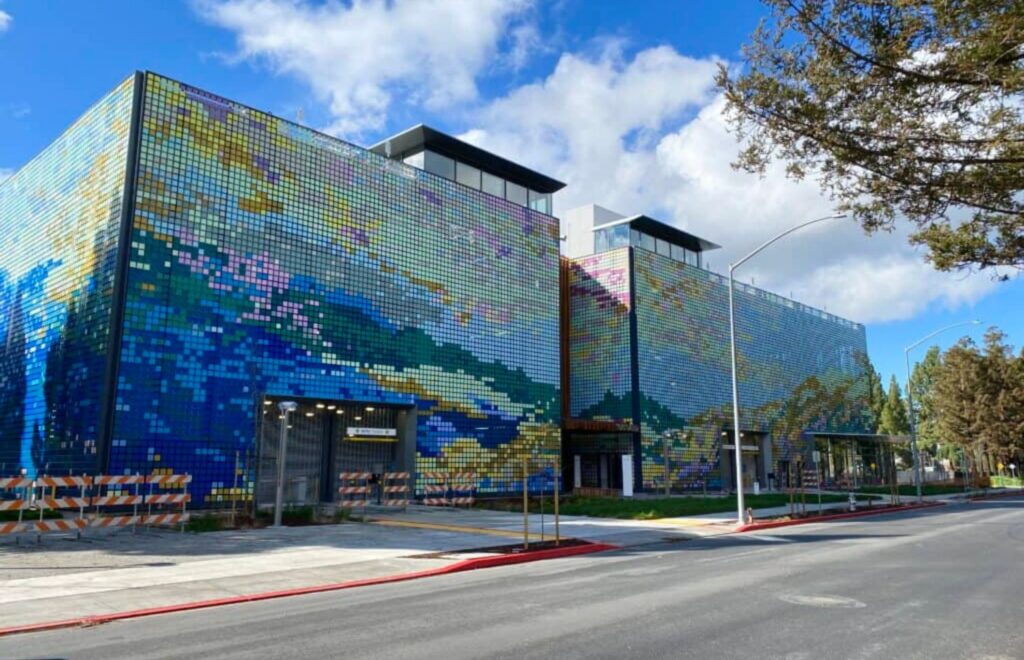
Engineers rethink load approaches when kinetic facades move with the wind instead of resisting it. Tall buildings face constant, shifting wind pressure that static facades must fight directly. A moving facade responds to that pressure instead, reducing stress on the overall structure.
Engineering a system that moves safely takes far more calculation than a fixed panel. Every hinge, clip, and panel must survive repeated motion across decades of use. Understanding this engineering helps architects specify a facade that performs safely for decades.
How Do Engineers Calculate Wind Loads for Kinetic Facades?
Engineers calculate wind loads using local wind speed data, building height, and panel geometry. They model both steady pressure and turbulent gusts that hit the moving panels. The resulting calculations set safe limits for panel speed, rotation angle, and hardware strength.
Aerodynamic Modeling for Kinetic Facades
Kinetic facades depend on aerodynamic modeling as the foundation of safe, reliable design. Engineers use wind tunnel testing or computational fluid dynamics to predict pressure patterns. Tall buildings create complex wind patterns that shift with height and surrounding structures.
Neighboring towers can funnel wind into unexpected patterns around a kinetic facade design. Engineers model these site-specific effects rather than relying on generic wind data.
Several variables shape how engineers build an accurate wind load model for review. Each variable feeds into safety margins built directly into the system. Skipping this risks a facade that reacts poorly during unusual wind events.
- Peak gust speed and direction recorded for the specific building site
- Building height, shape, and surrounding structures that redirect airflow
- Panel size, weight, and rotation range under maximum load
Wind tunnel testing remains the most reliable way to validate these computational models. Physical testing catches turbulence patterns that pure computer simulation sometimes misses completely today.
Safety Factors and Testing
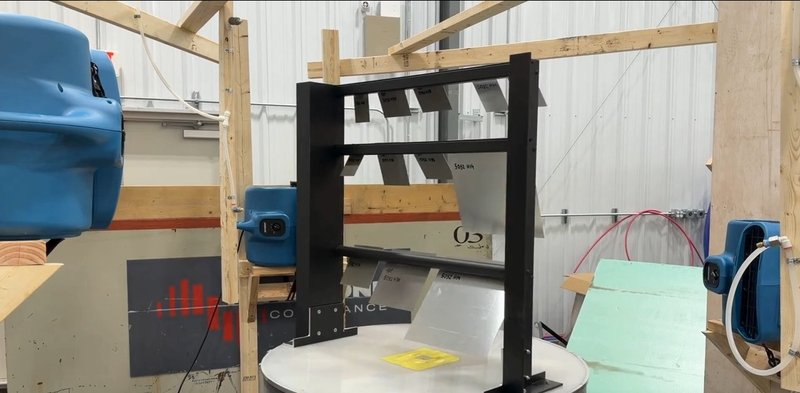
Wind load calculations feed directly into the structural and mechanical design of kinetic facades. The system must survive millions of movement cycles across the building's lifespan. Fatigue testing helps engineers confirm hardware survives repeated stress without any gradual failure.
Manufacturers should have documented wind-cycle testing data available that demonstrates how individual elements withstand constant, repeated wind exposure.
Facility teams should schedule mechanical inspections separately from routine building maintenance work each year. Specialized kinetic systems need specialized attention beyond standard facade upkeep and cleaning schedules.
Real-World Kinetic Facade Applications
Real projects show how wind load engineering translates into safely working kinetic facades. Parking structures and transit buildings often use kinetic facades to manage strong crosswinds. Each project brings a unique combination of building height, site exposure, and wind pattern.
- A parking structure facade engineered to handle strong, funneled crosswinds
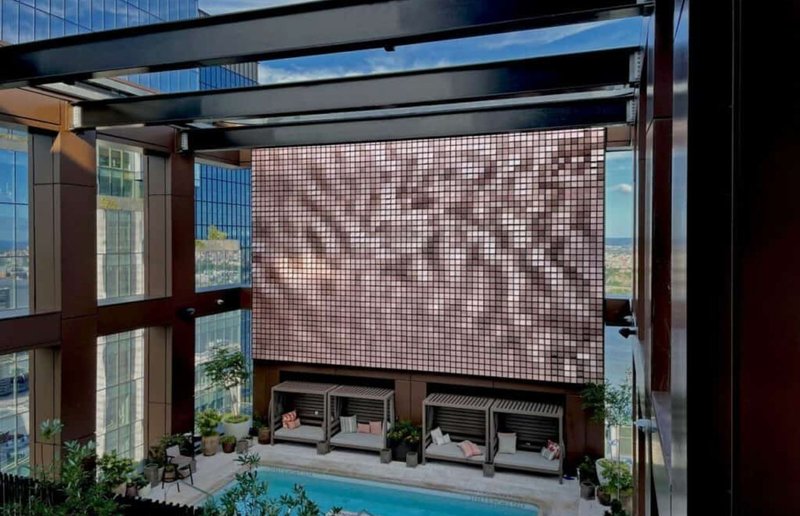
- An open-air installation on a high-rise tower exposed to shifting gusts
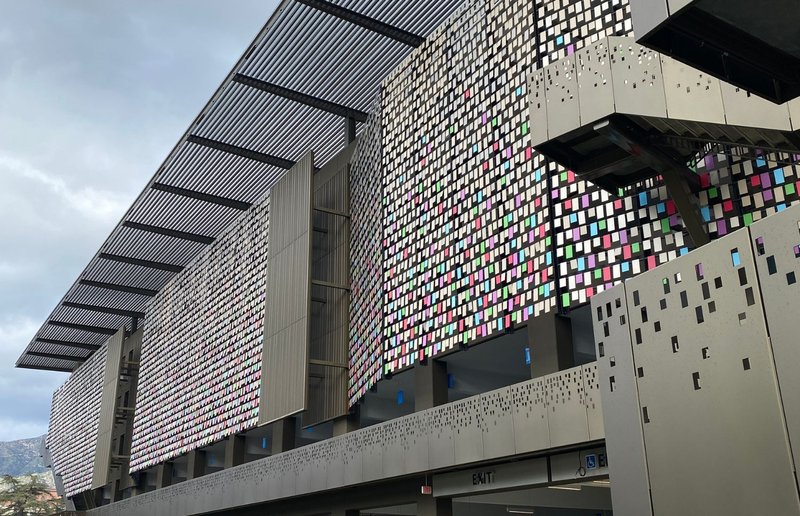
- An airport parking facade built to withstand sustained wind conditions
Each installation went through detailed site-specific wind modeling before construction ever began onsite. The process caught site conditions that generic regional wind data would have missed.
Studying completed projects gives architects realistic expectations for cost, timeline, and long-term performance. Every site still requires its own independent wind study before construction can proceed. Past projects inform general expectations, but they never replace true site-specific engineering analysis.
Local wind patterns can vary widely even between two nearby sites on the same block. Neighboring construction, terrain, and even seasonal changes all shift the numbers over time.
Budget for a dedicated wind study early in your project's design development phase. An early investment like this prevents costly redesigns once construction drawings are underway.
Share findings from the wind study with your structural engineer before finalizing panel hardware. Coordination between engineering disciplines catches conflicts that a single specialist might otherwise overlook completely.
Engineer Your Kinetic Facades for Lasting Performance
Wind load engineering turns an ambitious kinetic facade concept into a safe, lasting reality. Aerodynamic modeling, redundant safety systems, and site-specific testing all work closely together here. Skipping any part of that process increases risk on a highly visible building feature.
Your project deserves a kinetic facade engineered around real, verified site-specific wind data. Our engineering team has guided architects through this process on landmark buildings nationwide. Reach out to our engineering team to start your kinetic facade wind study.