

Every winter brings brutal stress to windows, from snow loads to sudden temperature drops. Cold air makes many materials brittle, but polycarbonate keeps its strength at low temperatures. Facility managers in cold regions need windows that survive both impact and thermal cycling.
Freezing temperatures test window seals, framing, and glazing material in ways summer never does. A window that cracks under winter stress creates safety risks and costly emergency repairs. Understanding how polycarbonate performs in freezing conditions helps you plan facilities that last.
How Do Polycarbonate Windows Handle Winter Loads?
Polycarbonate windows handle winter loads through inherent impact strength and stable low-temperature flexibility. The material resists cracking under snow and ice accumulation far better than standard glass. Proper framing and glazing design then keep that strength steady across the entire window.
Impact Resistance in Polycarbonate Windows During Winter
Impact resistance compared to glass sets polycarbonate windows apart in freezing, high-wind winter conditions. Glass grows brittle as temperatures drop, increasing the risk of cracks from debris impact. Polycarbonate maintains its toughness across a much wider range of sub-freezing temperatures instead.
Ice buildup adds real weight and stress to window surfaces during long winter storms. Falling ice and wind-driven debris also strike windows harder in exposed, cold locations.
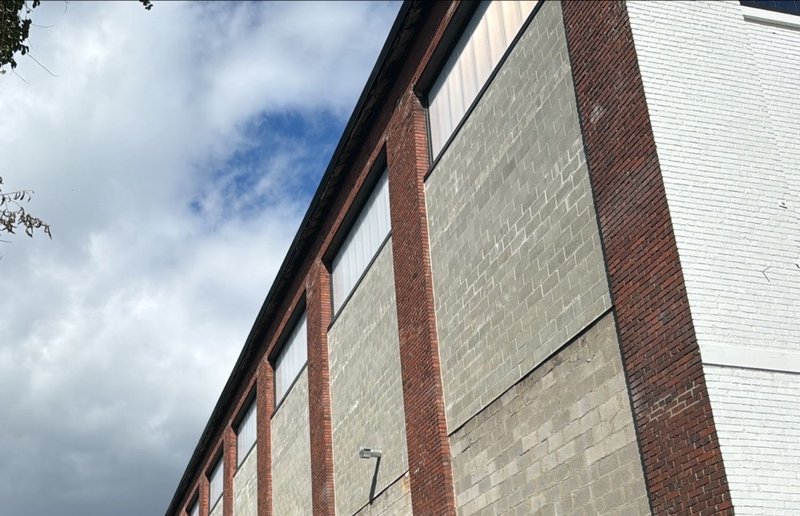
Several factors determine how well a window resists impact damage through winter months. Facility managers should confirm these details before specifying windows for exposed building elevations. Documented thermal cycling and durability test data give you real confidence beyond general manufacturer performance claims alone.
- Panel thickness and rib design rated for impact under cold conditions
- Framing material that stays flexible instead of becoming brittle in cold
- Independent test data covering sub-zero temperature impact performance
Ask your supplier for cold-weather impact ratings alongside standard room-temperature test results too. Together, those numbers tell you how the window performs across every season your facility faces.
Thermal Performance When Temperatures Drop
Thermal performance changes how much energy your facility loses through polycarbonate windows each winter. Multi-wall panel designs trap air between layers, slowing heat transfer through the glazing. More air chambers generally mean better insulation but slightly less visible light transmission.
Facility managers must balance insulation value against how much daylight a space actually needs. Warehouses often prioritize insulation, while showrooms may prioritize clarity and natural daylight instead. Our architect's guide covers U-factor data across several common panel configurations in more detail.
| Panel Type | Air Chambers | Typical U-Factor |
|---|---|---|
| Single-wall | 0 | Higher heat loss |
| Multi-wall | 2-5 | Moderate heat loss |
| Structured | 5+ | Lowest heat loss |
Lower U-factors reduce heating costs across long, cold seasons in most northern climates. Even small U-factor improvements add up across a large facility's total window area.
Condensation resistance matters too, since trapped moisture can slowly damage framing over time. Ask your supplier how each panel configuration performs against condensation in cold climates.
Specification Tips for Snow and Wind Load Zones
Snow and wind load zones vary widely, so polycarbonate windows specifications should match your exact region. Local building codes typically define minimum load requirements for roof and wall glazing. Meeting the code minimum does not always mean a window performs well long-term.
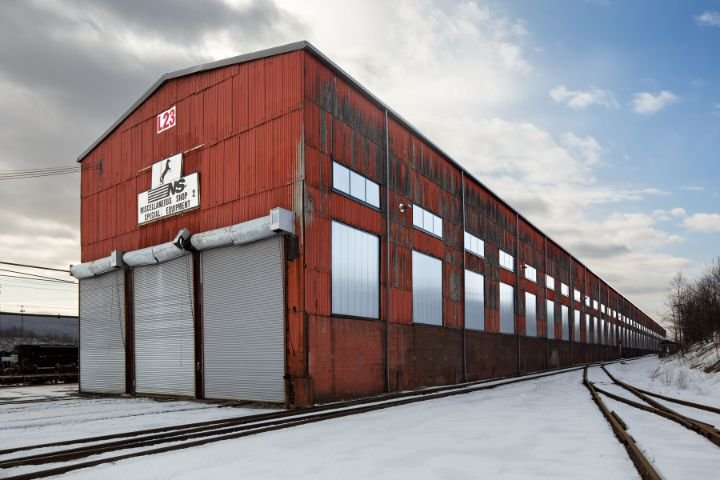
- Confirm the manufacturer's rated load capacity for your specific climate zone
- Review a real case study from a cold-climate project, such as a hangar built for heavy weather
- Ask about framing thermal breaks that prevent cold transfer into the building
- Request maintenance guidance specific to snow and ice removal around windows
Snow removal practices around windows also affect long-term performance and appearance over time. Avoid metal shovels or sharp tools that can scratch the polycarbonate glazing surface. A soft brush or warm water usually clears buildup without damaging the panel finish.
Facilities that follow these steps see fewer emergency repairs during peak winter months. Plan your maintenance calendar around the specific weather patterns your facility experiences yearly.
Many facility teams pair this schedule with an existing winter storm response plan. Aligning the two keeps window care from competing with other seasonal maintenance priorities.
Specify Polycarbonate Windows Built for Winter
Cold climates demand windows engineered for impact strength, thermal performance, and long service life. Polycarbonate windows meet that demand better than glass across most winter conditions we see. Careful specification now prevents costly repairs and downtime once the temperature drops sharply.
Your facility deserves windows tested and proven under real, harsh winter load conditions. Our team has helped facility managers specify polycarbonate windows across many cold-climate regions. Reach out to our team to plan windows that hold up all winter.