

Northern climate regions put commercial canopies through brutal cycles of freezing and thawing. Ice buildup and repeated temperature swings stress materials in ways summer weather never does. Facility managers need canopy systems built specifically to survive these harsh seasonal conditions.
Snow load fatigue weakens structures gradually, often without any single dramatic failure event. A canopy rated for mild climates rarely survives repeated freeze-thaw cycles over many years. Choosing the right system upfront protects your budget and your facility's daily operations.
How Do You Choose Commercial Canopies for Freeze-Thaw Climates?
You choose freeze-thaw ready canopies by reviewing snow load rating, drainage design, and material. Drainage prevents ice dams that add unexpected weight to the canopy structure over time. Material choice then determines how well the canopy resists cracking during repeated freezing cycles.
Snow Load and Structural Fatigue in Commercial Canopies
Snow load ratings tell you how much weight commercial canopies can safely hold. Repeated freeze-thaw cycles add stress beyond what a single snow event would create. Cumulative stress like this causes fatigue that a one-time load rating never fully captures.
Ask suppliers whether their load ratings account for repeated freeze-thaw cycling, not just peak snow. Fatigue-tested products hold up longer than those rated for one peak event, according to a 2025 freeze-thaw fatigue study.
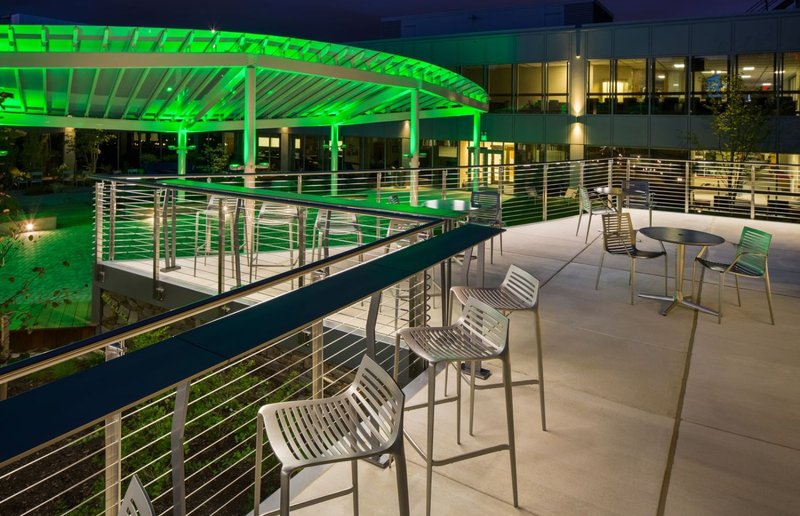
Several structural detailing factors determine how well a canopy resists freeze-thaw fatigue over decades. Review these factors carefully with your structural engineer before finalizing a canopy specification. Skipping this review risks a canopy that fails years earlier than expected performance.
- Frame material that resists brittleness in sustained sub-freezing temperatures
- Connection hardware rated for thermal expansion and contraction stress
Request fatigue test data alongside standard load ratings. A little extra diligence protects your facility from an early, unexpected structural failure.
Drainage and Ice Management for Canopy Systems
Drainage design determines whether ice dams form on top of your commercial canopies. Poor drainage traps meltwater that refreezes and adds unplanned weight to the structure. Slope, gutter placement, and heat trace systems all influence how well water drains.
A steeper canopy slope generally sheds snow and meltwater faster than a flatter design. Heat trace cables along gutters prevent ice dams from forming during freeze-thaw cycles. Our glass canopy systems article covers additional drainage strategies for cold-weather building applications.
| Drainage Feature | Function | Freeze-Thaw Benefit |
|---|---|---|
| Steep Slope | Sheds snow quickly | Reduces standing meltwater |
| Heat Trace Cable | Warms gutter edges | Prevents ice dam buildup |
| Wide Gutters | Handles high meltwater volume | Reduces overflow refreezing |
Choose drainage features based on your region's typical snowfall and temperature swing patterns. A canopy designed for light snow rarely performs well in heavy freeze-thaw regions. Facility teams should inspect drainage systems each fall before winter weather arrives fully. Clearing debris from gutters prevents blockages that lead to dangerous ice dam formation.
A Freeze-Thaw Buying Checklist for Facility Managers
Facility managers benefit from a clear checklist before purchasing commercial canopies for cold climates. A structured evaluation catches gaps that a quick, informal comparison often misses entirely. Use this list alongside your facility's own specific snowfall and temperature history data.
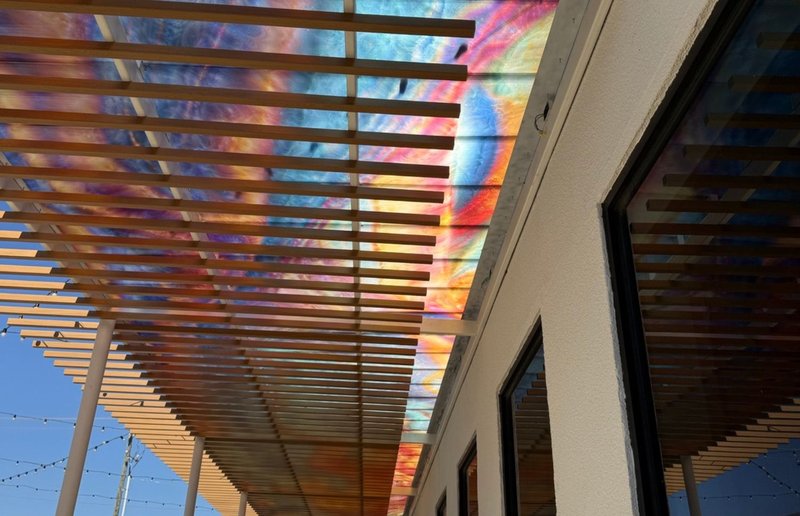
- Confirm the tested load rating for your exact climate zone
- Review drainage design, including gutter size and optional heat trace cables
- Check the walkway canopy options if pedestrian safety is also a priority
- Ask for maintenance guidance specific to snow removal and ice prevention
Ask each supplier for references from projects in a similarly cold climate zone. Real feedback about winter performance helps you avoid an expensive, disappointing purchase decision.
Document your findings so future facility upgrades can benefit from this research too. A shared record helps new team members understand past canopy decisions much faster.
Revisit the checklist every few years as materials and fatigue testing methods continue to improve. Newer products sometimes outperform older systems still listed in your facility's maintenance records today.
Choose Commercial Canopies Built for Every Season
Freeze-thaw climates demand far more from commercial canopies than milder regions ever will. Snow load fatigue, ice dams, and drainage design all shape long-term canopy performance. Planning for these factors upfront protects your budget and your facility's daily operations.
Your facility deserves commercial canopies built and tested for real, harsh winter conditions. Our team has helped facility managers specify canopy systems across many cold-climate regions. Contact our team today to find commercial canopies built for your local climate.