

A busy, open-plan office floor gets its sound behavior shaped largely by lightweight ceiling panels. Hard surfaces and open layouts let noise bounce freely, hurting focus and conversation clarity. The right ceiling system absorbs that excess sound before it disrupts the entire floor.
Open offices trade private walls for collaboration, but that tradeoff often hurts acoustics. Reverberation makes speech harder to understand, forcing people to repeat themselves constantly throughout meetings. Acoustic ceiling design solves much of this problem without adding heavy structural weight.
How Do Lightweight Ceiling Panels Improve Acoustic Performance?
Lightweight ceiling panels improve acoustics by absorbing sound waves instead of reflecting them. Porous panel cores trap sound energy, reducing echo and general background noise buildup. Lower reverberation time then makes conversations and calls easier to hear and understand.
Reverberation Control With Lightweight Ceiling Panels
Reverberation describes how long sound lingers in a room after the source stops. Hard ceilings and open floor plans extend reverberation time well beyond comfortable levels. Lightweight ceiling panels shorten that reverberation time by absorbing sound instead of bouncing it.
Noise Reduction Coefficient ratings measure how much sound a prefabricated lightweight panel absorbs on average. Higher-rated panels absorb more sound energy, cutting reverberation time noticeably, according to a 2026 NRC ratings guide.
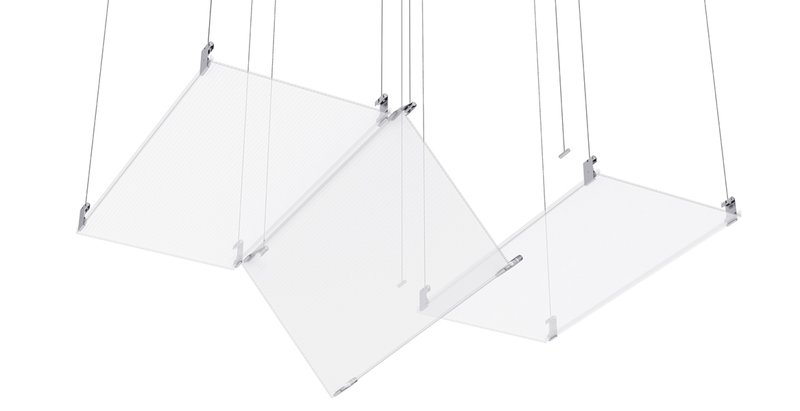
Several product characteristics determine how much a ceiling panel improves room acoustics overall. Facility teams and architects should weigh each factor against the space's specific function. Open collaboration areas often need higher absorption than quiet, fully enclosed focus rooms.
- Noise Reduction Coefficient rating appropriate for the space's function
- Panel thickness and core density affecting overall absorption performance
- Installation pattern and coverage across the full ceiling area
Ask your supplier for NRC data specific to each panel option under consideration. Comparing documented ratings helps you avoid overpaying for performance you may not need.
Speech Intelligibility in Open Office Layouts
Speech intelligibility measures how clearly listeners understand spoken words across an open room. Background noise and echo both reduce intelligibility, forcing people to strain while listening. Open offices amplify this problem, since sound travels freely across large, shared floor plates.
Lightweight ceiling panels reduce background noise and reverberation, both of which hurt speech clarity. Combining absorptive ceilings with soft flooring or furniture further improves overall building envelope performance. Meanwhile, poor acoustics can quietly reduce productivity across an entire open office floor.
| Design Element | Effect on Speech Clarity |
|---|---|
| Absorptive Ceiling Panels | Reduces echo and reverberation |
| Soft Flooring | Limits sound reflection near floor level |
| Open Hard Surfaces | Increases noise and reduces clarity |
Measure existing reverberation time before choosing panels, so you can track real improvement. A simple before-and-after comparison shows stakeholders the value of the acoustic upgrade clearly.
Employee feedback surveys often confirm exactly what the acoustic measurement data already shows. Fewer noise complaints usually follow within just weeks of a well-planned ceiling upgrade.
Choosing the Right Ceiling System for Your Space
Choosing the right lightweight ceiling panels starts with understanding your space's specific acoustic needs. Open collaboration zones, private offices, and conference rooms each demand a different approach. Weight and structural load also matter, especially in buildings with limited ceiling capacity.
Balancing Weight and Acoustic Performance
Heavier acoustic materials sometimes offer higher absorption but strain lightweight ceiling grid systems. EXTECH's engineering background with lightweight panel systems informs how we think about material tradeoffs. Balancing weight against absorption performance keeps installation simple and structurally sound over time.

Lightweight materials also simplify retrofits in buildings without a reinforced ceiling grid capacity. Renovation projects benefit most, since existing structures rarely accommodate heavy new ceiling systems. Sample panels help stakeholders compare acoustic performance and appearance before a full purchase. Request samples early, since lead times can affect a tight office renovation schedule. Building in extra time for sample review prevents last-minute scheduling conflicts down the line.
Coordinate ceiling selection with your lighting and HVAC teams early in the process. Acoustic panels sometimes limit fixture placement, so early coordination avoids conflicting design decisions. A coordinated plan keeps your renovation on schedule and avoids expensive last-minute changes.
Facility teams should also loop in IT staff, since ceiling access often affects cabling routes. A shared installation timeline keeps every trade working from the same project schedule.
Specify Lightweight Ceiling Panels That Work
Acoustic comfort shapes how well people focus, collaborate, and communicate in open offices. Lightweight ceiling panels solve much of that challenge without adding unnecessary structural weight. Thoughtful specification now prevents costly acoustic complaints once the office is fully occupied.
Your office deserves ceiling panels chosen for both acoustics and structural practicality. Our team brings decades of lightweight panel engineering experience to every project conversation. Reach out to talk through acoustic goals for your office space.